

The 3 elements that define every recipe
Structure, moisture, and heat — and how to use them.

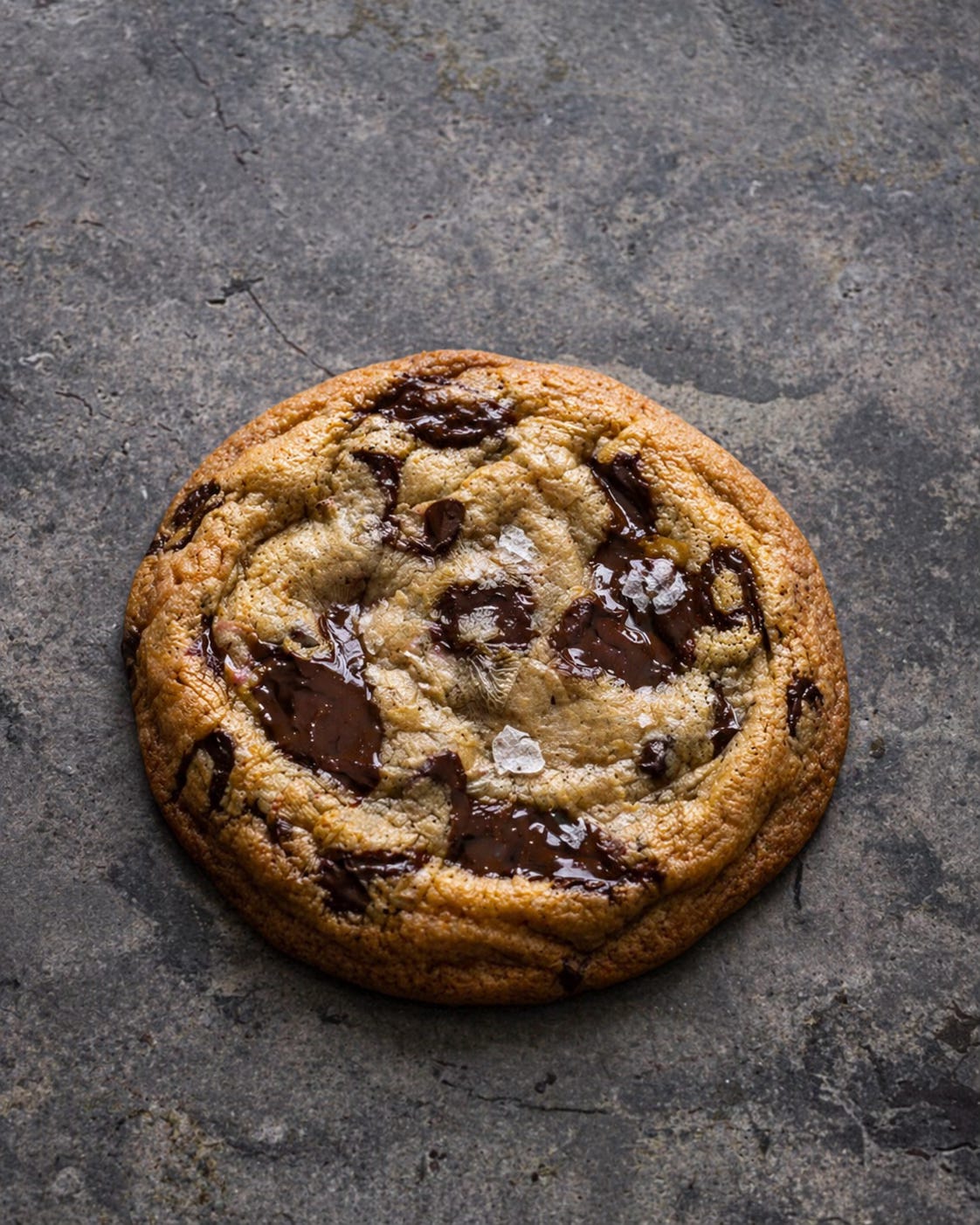
Most recipes look different.
Different ingredients. Different techniques. Different results.
But when something doesn’t work, the mistake is often the same:
Too many variables change at once.
Instead of looking for a new recipe,
start with the structure behind it.
Every recipe — no matter how simple — is built on three elements:
Structure. Moisture. Heat.


Structure
Structure is what holds everything together.
It defines shape, stability, and how something sets.
Whether a dough spreads or holds, rises or collapses, depends on structure.
In baking, structure mainly comes from flour, proteins, and starches.
If something turns out too flat or too soft, structure is often the first place to look.
Increase structure → firmer, more stable result
Reduce structure → softer, more delicate
But structure is not only about ingredients.
Mixing develops it.
Resting relaxes it.
Handling changes it.
Moisture
Moisture controls how something feels.
Soft or dry. Dense or light. Rich or airy.
It comes from liquids, fats, and sugar — each affecting the result differently.
Water adds fluidity.
Fat adds richness and tenderness.
Sugar binds moisture and slows down drying.
If something feels too dry, too dense, or too heavy, moisture is usually the cause.
More moisture → softer, more tender
Less moisture → drier, more rigid
The balance matters more than the amount.
Heat
Heat is what turns everything into a final result.
It controls how quickly structure forms, how moisture evaporates, and how surfaces develop.
Too much heat sets the outside too fast.
Too little heat prevents proper structure from forming.
Temperature matters.
Timing matters just as much.
If something is raw inside, too dry outside, or lacks consistency, heat is often the issue.
How to use this
When a recipe doesn’t work, don’t change everything.
Start with one element.
Too flat? Look at structure.
Too dry? Look at moisture.
Too dense or uneven? Look at heat.
Adjust one variable at a time.
Then observe what changes.
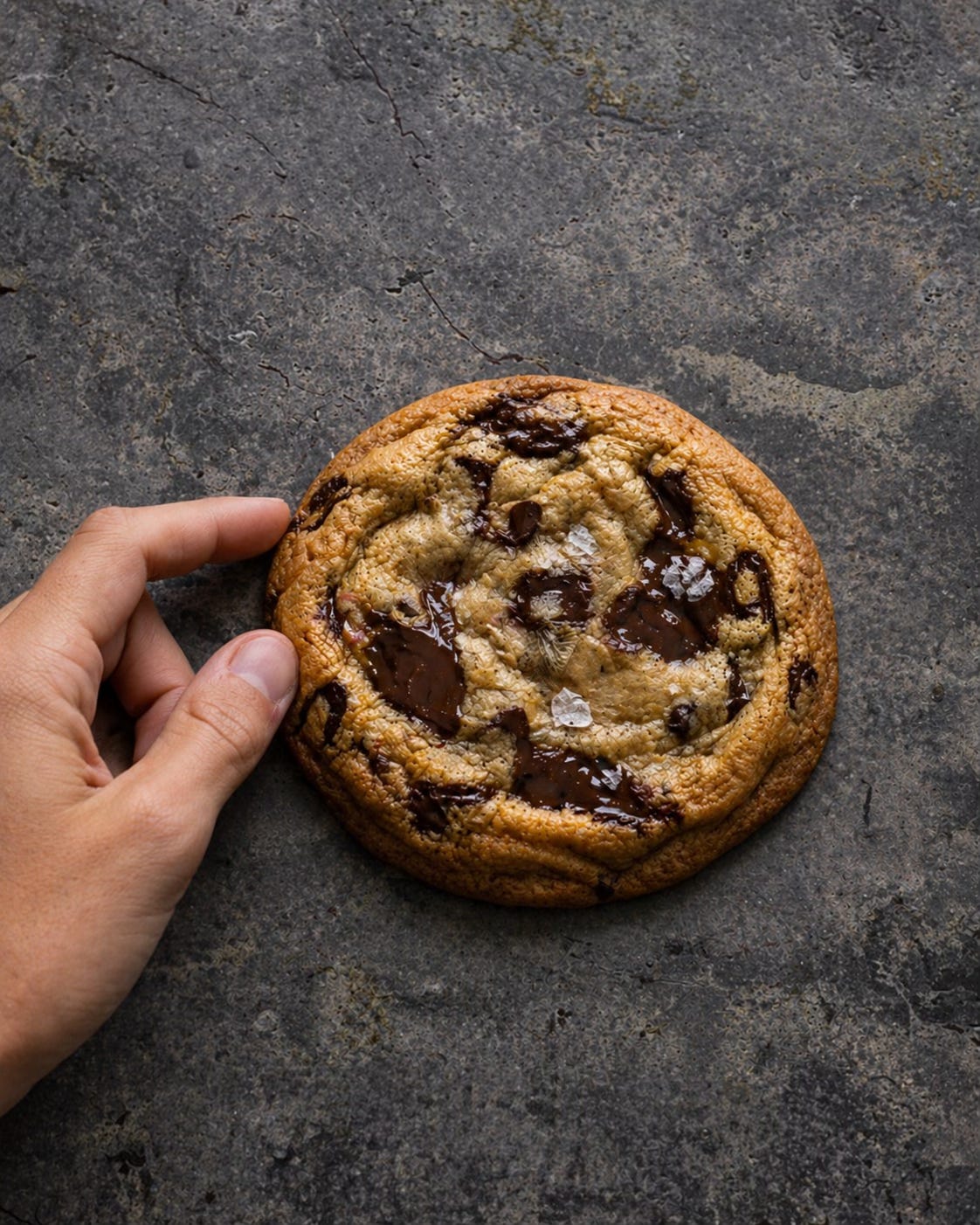
A simple example
Take a cookie.
More flour increases structure and makes it thicker.
More butter increases moisture and makes it softer.
Higher temperature sets it faster and reduces spread.
Same base. Different result.
The point
Recipes are not fixed. They are systems built on balance.
Once you start looking at structure, moisture, and heat, outcomes stop feeling random. You begin to understand why something works — and why it doesn’t.
That’s the shift: from reacting to results to controlling them.
Food. Science. Discovery.
Beyond the plate.
Sounds quite logical.
But now it would be great to have three different recipes with the same ingredients in a different amount.
Recipes that actually work and show the differences.
One cookie with more flour, one with more butter and one that is baked at a higher heat. 😊